
Use It or Lose It: How to Maximize Your Facilities Budget Before Year-End
CCER • October 2, 2025
Invest those dollars wisely to deliver long-term value for your building.

As October approaches, many facility managers and engineers face the same challenge: unused budget dollars that need to be spent before the end of the year.
The question becomes: how do you invest those dollars wisely to deliver long-term value for your building?
One of the smartest and most cost-effective options is HVAC coil cleaning. Here’s why.
The ROI of Coil Cleaning
- Lower Energy Costs: Dirty coils restrict heat transfer, forcing systems to work harder. Cleaning coils can reduce energy use by 20-30%, saving thousands on utility bills.
- Reduced Service Calls: When coils are dirty, motors, fans, and compressors run under strain. Clean coils mean fewer emergency calls and less downtime.
- Extended Equipment Life: Coil cleaning protects your investment by reducing wear and tear, helping avoid premature replacements.
- Sustainability Wins: Energy-efficient systems contribute to your organization’s sustainability goals, and cleaning is a quick way to show measurable progress.
Why October Is the Perfect Time
- Budget Efficiency: Use remaining funds before they expire and turn them into tangible facility savings.
- Seasonal Transition: Coil cleaning prepares both cooling and heating equipment for the seasonal change.
- Minimal Disruption: Fall is often a lighter HVAC usage period, making it easier to schedule proactive maintenance without occupant disruption.
Take Action Now
Don’t let valuable budget dollars go unused. Investing in coil cleaning now ensures a strong finish to the year and sets your building up for success in 2026.
📅 Schedule your free HVAC system assessment today with Common Cents Energy Recovery.
📞 Call (720) 224-3306
📧 info@hvaccoilclean.com
🌐 hvaccoilclean.com
Get A Free Assessment For Your Building
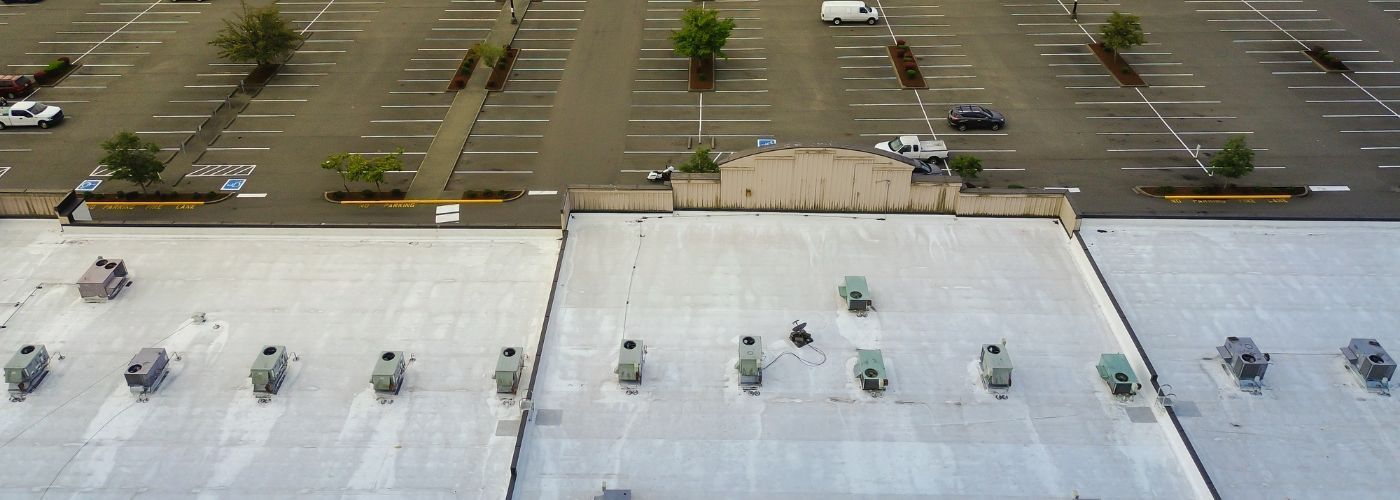
September hits a rare sweet spot for facility managers: cooling season stress is visible in your equipment, the Q4 budget cycle is open, and CCER's schedule still has availability.
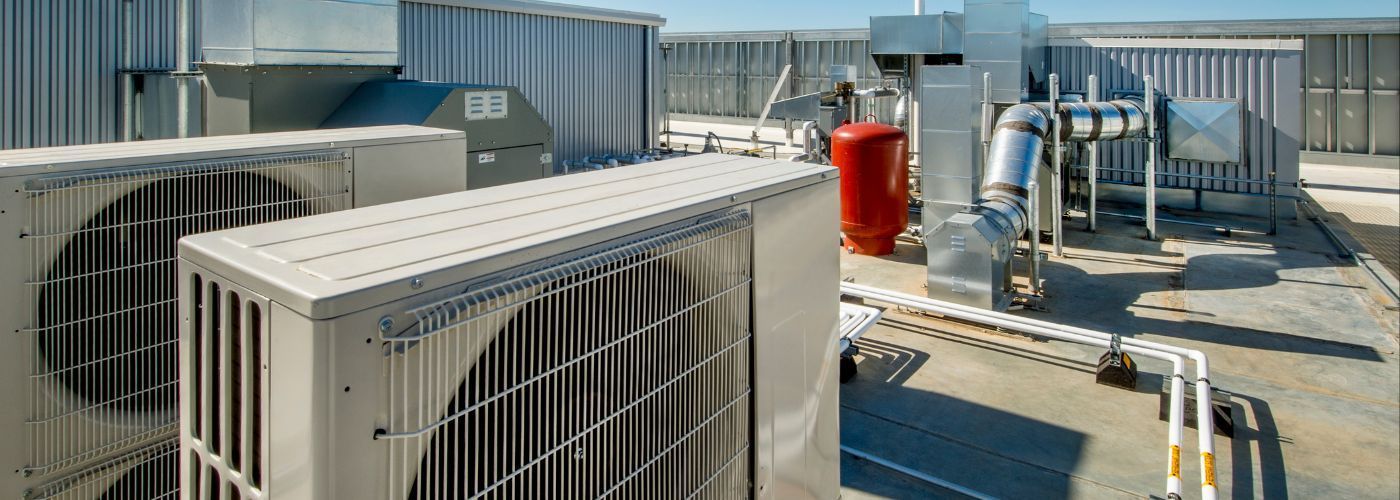
Schedule a free 15-minute energy assessment with CCER. We inspect your coils, calculate what cleaning would recover, and give you a projected ROI before you commit.

Your HVAC system is running harder than at any other time of year. And if your coils haven't been cleaned, you could be paying for it right in real dollars.

Dirty cooling towers waste energy and can harbor dangerous Legionella bacteria. Here's what Denver building managers need to know about cleaning frequency, methods, and risk.
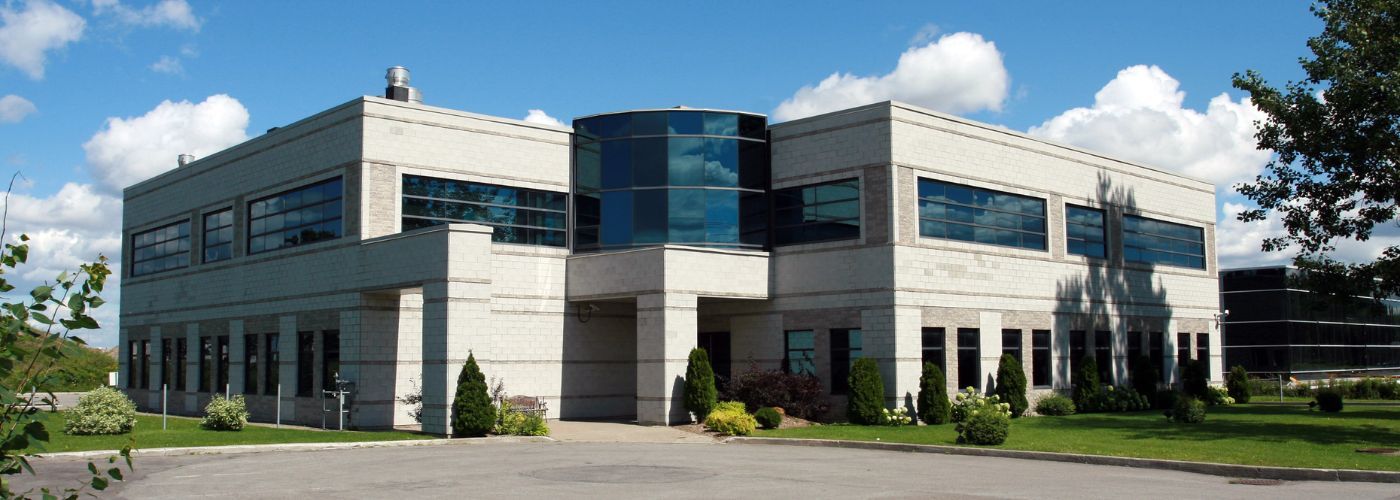
But what many don’t realize is that one of the biggest contributors to rising summer energy costs is something simple and preventable: dirty HVAC coils.

Dirty evaporator and condenser coils reduce heat transfer efficiency, forcing HVAC systems to work harder to maintain indoor temperatures.

Commercial HVAC systems in Colorado often experience more stress due to these factors. Proactive coil cleaning and system maintenance help facilities stay ahead of seasonal strain.

One of the most overlooked causes of mid-winter HVAC issues is dirty coils. When coils are coated with dust, debris, or buildup, heat transfer efficiency drops.

Planning early in the year ensures your HVAC system operates efficiently, reduces operating costs, and avoids unexpected downtime. Schedule your coil cleaning early in 2026.

The holiday season often brings a natural slowdown for commercial buildings. Employees take time off, foot traffic drops, and many operations temporarily pause.