Why September Is the Best Month to Schedule Commercial Coil Cleaning
July and August are hard months for commercial HVAC systems.
September sits at a rare intersection for commercial building owners and facility managers.
Peak cooling season just ended, which means your HVAC system has been running at peak load for two straight months, and the wear is measurable. The Q4 budget cycle is opening, which means deferred maintenance dollars are on the table. And scheduling windows at CCER still have availability before the fall rush fills them in October and November.
If coil cleaning has been on the list all year, September is the month to act. Here is why.
What Summer Did to Your Equipment
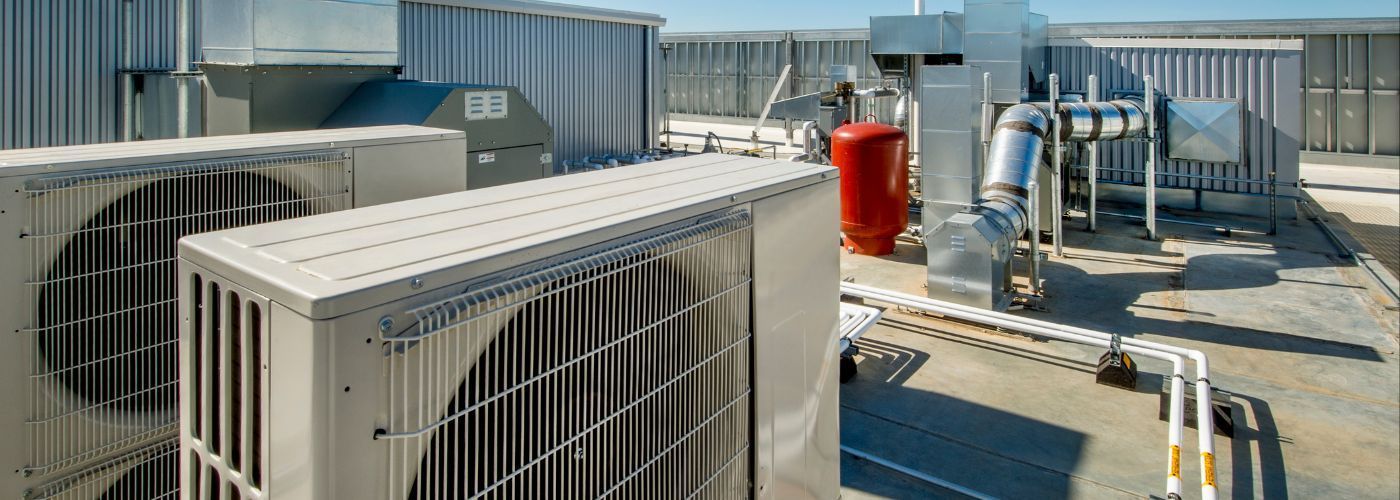
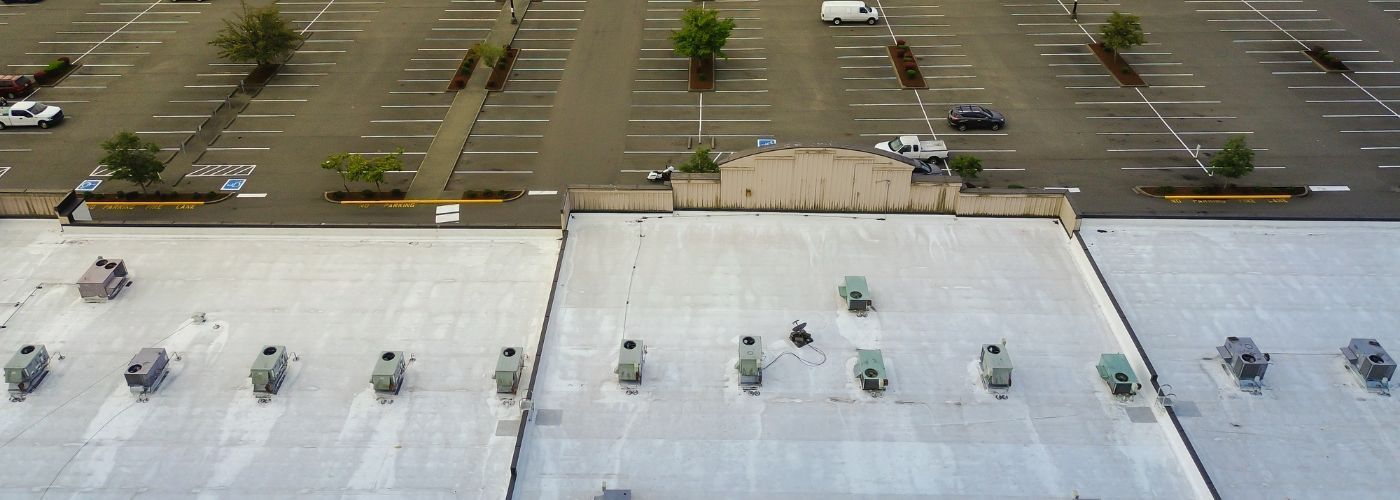
July and August are hard months for commercial HVAC systems. Rooftop units run 12 or more hours per day. Cooling towers cycle continuously. Air handlers push conditioned air through buildings that are fighting triple-digit heat loads.
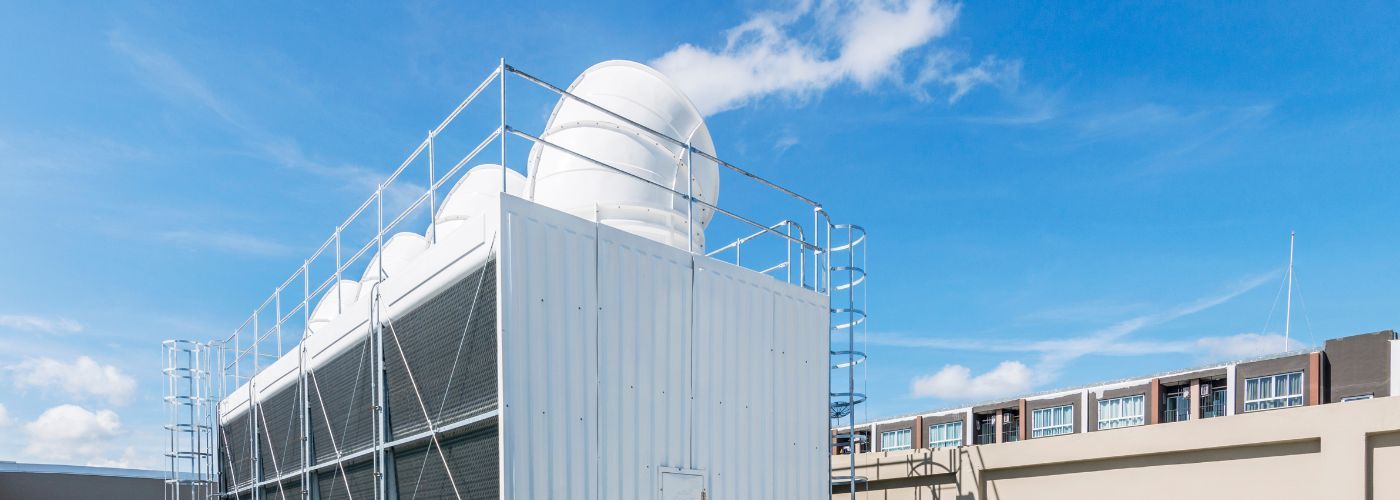
By the time September arrives, the evidence is in your equipment. Condenser coils on RTUs have accumulated two months' cottonwood pollen and grease exhaust on top of whatever buildup was already there. Evaporator coils have been moving high volumes of air through filters that may have been pushed to their limits. Cooling towers have been operating at peak demand, accumulating scale and biological growth during the warmest water temperatures of the year.
The system got through summer. But getting through summer and running efficiently through summer are different things. Buildings with dirty coils used up to 37 percent more energy than buildings with clean ones, every month that buildup was present.
The Q4 Budget Opportunity Most Building Owners Miss
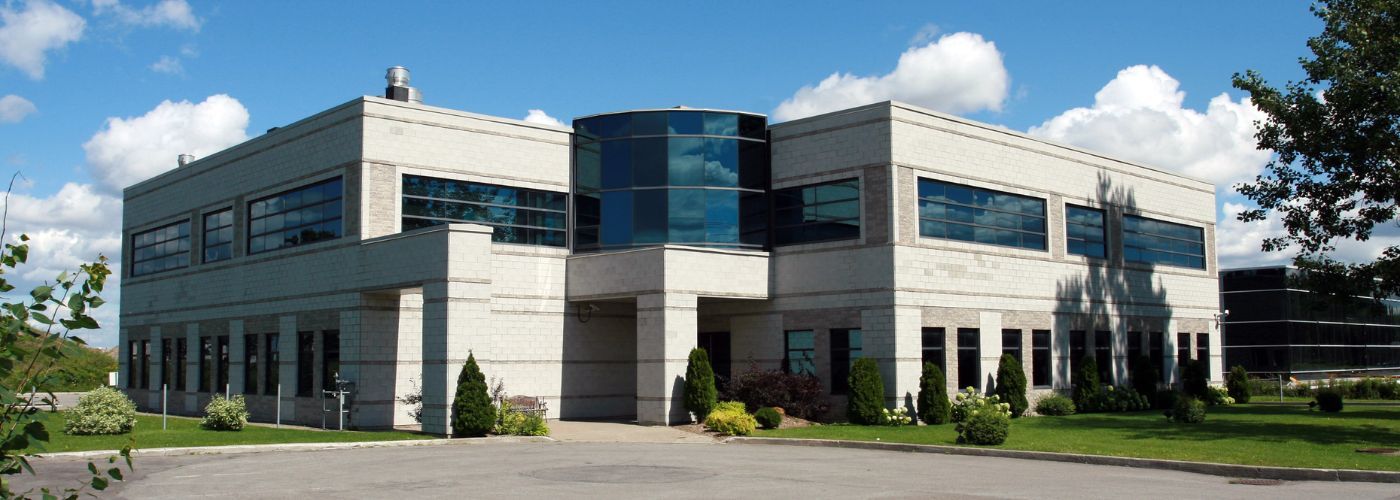
September and October are when most commercial building owners and facility managers finalize their Q4 spending plans. For many buildings, this means deploying deferred maintenance funds that have been accumulating since the start of the year.
Coil cleaning is one of the highest-ROI maintenance tasks available. CCER clients recover an average of $4.36 for every dollar spent, with a payback period of 11 months. For a building carrying significant end-of-year budget capacity, a coil cleaning project completed in September or October starts generating energy savings immediately, across the heating season when systems are running hard again.
There is also a capital planning angle. Facility managers preparing 2027 budget requests who can document that coil cleaning was completed this year, along with the resulting energy savings and equipment condition improvement, are in a stronger position to defer capital replacement requests that might otherwise be hard to justify.
Why Fall Cleans Work Differently Than Spring Cleans
Spring cleaning before peak cooling season gets the most attention, and for good reason. But fall cleaning serves a distinct purpose that spring cleaning cannot replicate.
Heating coils and AHU coils cleaned in September enter the heating season at full efficiency. Heat exchangers that have been carrying buildup from the previous year are restored before the months when heating demand is highest. For buildings with dual-function systems, fall cleaning addresses both the cooling residue from summer and the heating surfaces that will carry the load through November to March.
RTU condenser coils cleaned in fall also extend the window before the next spring cleaning is needed. A system cleaned in October 2026 enters the 2027 cooling season far closer to peak efficiency than one that was last cleaned in spring 2025.
The Scheduling Reality in Denver
October and November are busy months for commercial HVAC maintenance across the Front Range. Every building is transitioning to heating mode, HVAC contractors are running full schedules, and coil cleaning requests that were deferred through summer all arrive at once.
September scheduling is faster and more flexible. CCER can work around building operations, schedule during off-hours or weekends, and complete assessments and cleaning projects before the fall maintenance rush compresses availability.
The free energy assessment takes 15 minutes. Scheduling that assessment in September means you have options. Waiting until November means you are competing for slots with every other building that had the same idea.
What to Do This Month
If your building's coils have not been cleaned since spring 2025 or earlier, September is the right time to start the conversation. CCER's free assessment covers:
- Visual inspection of evaporator coils, condenser coils, and cooling tower condition
- Assessment of buildup level and heat transfer efficiency loss
- Estimated energy savings from cleaning
- Cleaning cost estimate and projected ROI
- Recommended cleaning priority and timing by system type
No obligation. No sales pressure. Just a clear picture of what your building is carrying and what cleaning would recover, in time to act before the Q4 window closes.
Call (720) 224-3306 or visit hvaccoilclean.com/free-assessment to schedule. CCER serves commercial buildings across Denver, Aurora, Colorado Springs, Fort Collins, Greeley, Longmont, and the entire Front Range.