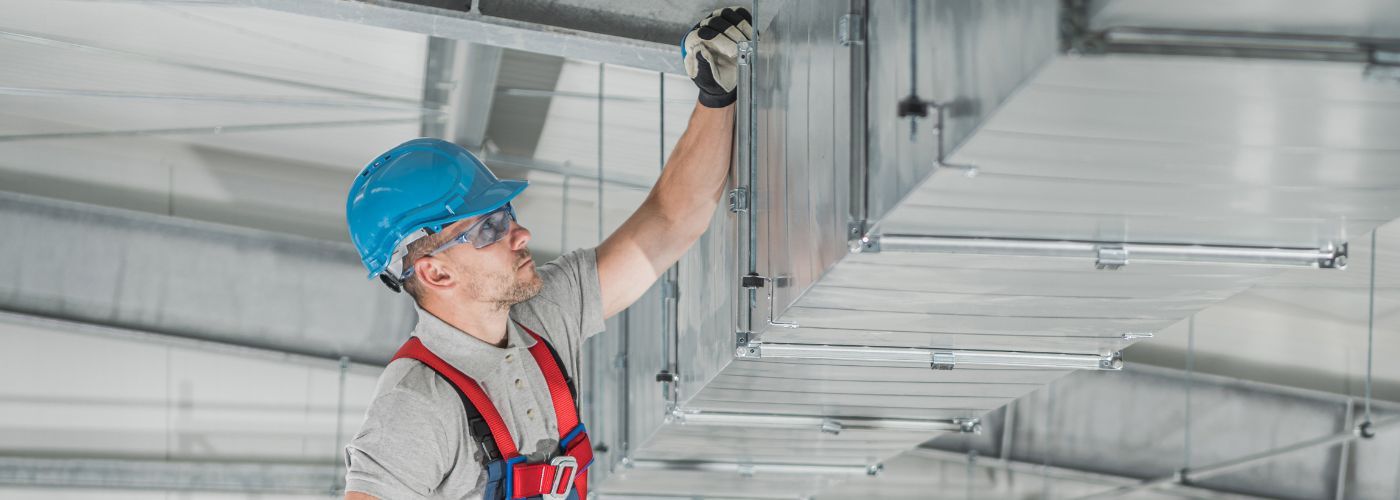
Peak Cooling Season Is Here. Is Your Building Ready?
Our average client recovers their cleaning investment in 11 months.
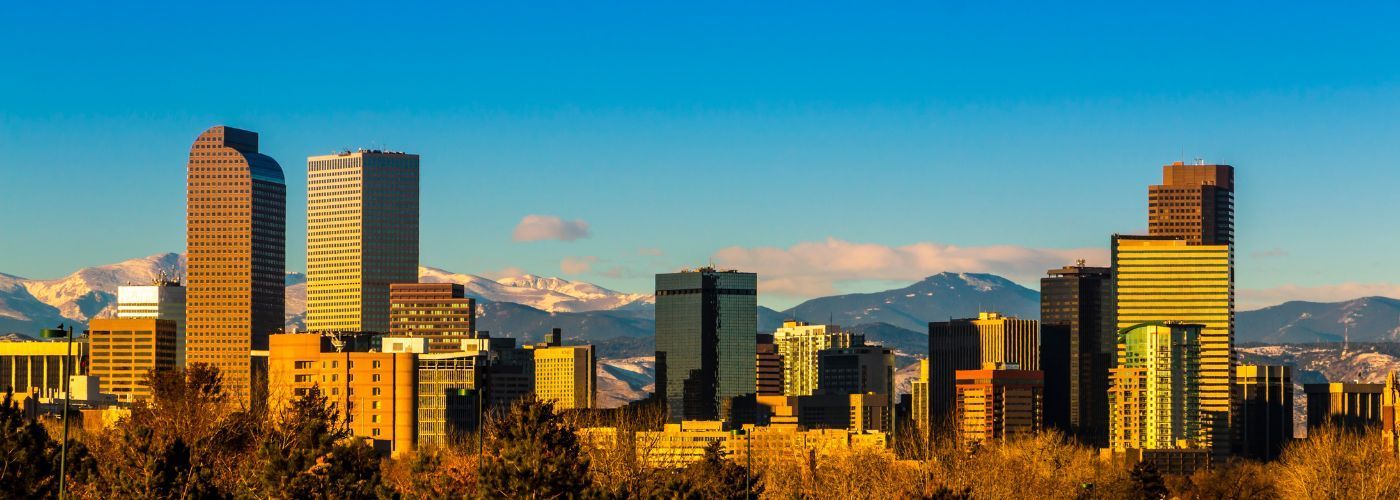
It's July in Denver! Temps regularly hit 90+. Your HVAC system is running harder and longer than at any other time of year. And if your coils haven't been cleaned, you could be paying for it right in real dollars, every single day.
Peak cooling season has arrived. The question is whether your system is equipped to handle it efficiently or whether your system is working hard to compensate for a problem that costs far less to fix than to ignore.
Why Summer Hits Harder When Coils Are Dirty
HVAC coils work by transferring heat and pulling heat from the air inside your building and releasing it outside. When a layer of dust, grease, hydrocarbon deposits, and biological growth coats those coil surfaces, heat transfer becomes less efficient. The system has to run longer cycles to achieve the same result.
In July, when your system is running 12–16 hours a day, the penalty compounds fast. Buildings with dirty coils can use up to 37% more energy than buildings with clean coils, and a dirty system's cooling capacity can be reduced by as much as 30%.
With Colorado's commercial electricity rates, a medium-sized commercial building running an oversized energy load through a three-month peak season isn't losing hundreds of dollars. It's losing thousands.
The Three Signs Your System Is Struggling Right Now
You don't need a technical inspection to spot the warning signs. If any of these sound familiar, dirty coils are likely a contributing factor:
- Occupant complaints are up. If your building is getting more "it's too warm in here" calls than usual, your system may be running at full capacity but losing the battle against the heat, not because it's not working, but because dirty coils have reduced its effective capacity.
- Your energy bills have crept up year over year. If your usage has increased but occupancy and square footage haven't, equipment degradation, starting with dirty coils, is the best place to start.
- Your HVAC system is running almost constantly. Short cycling or near-constant operation during moderate temperatures is a sign that the system is struggling to achieve proper cooling. Dirty evaporator or condenser coils are a primary cause.
RTU Coils: The Most Overlooked Culprit in Summer
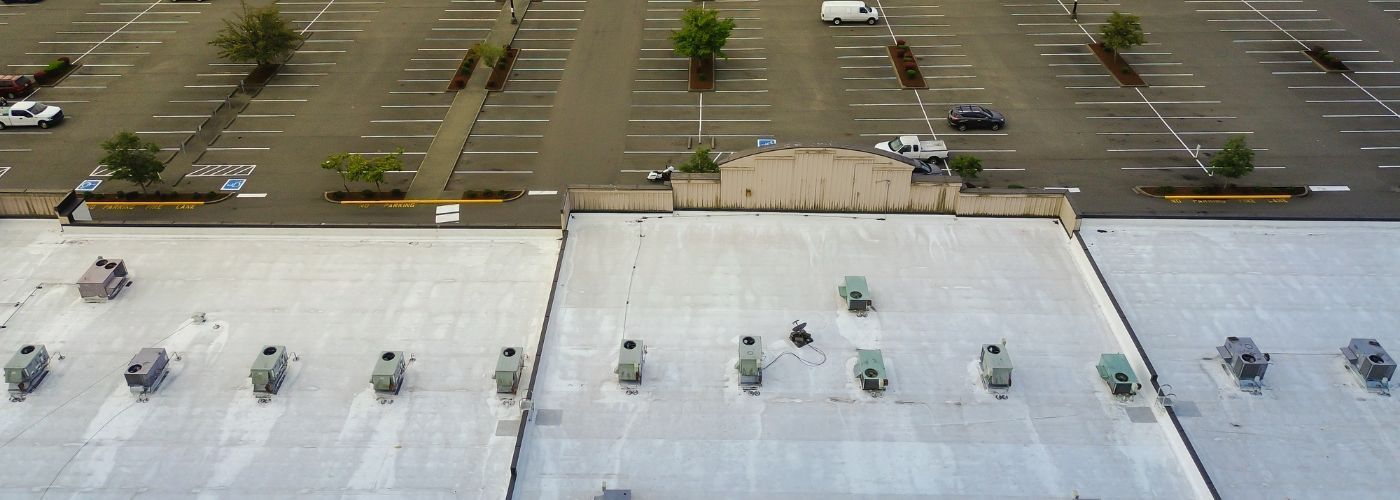
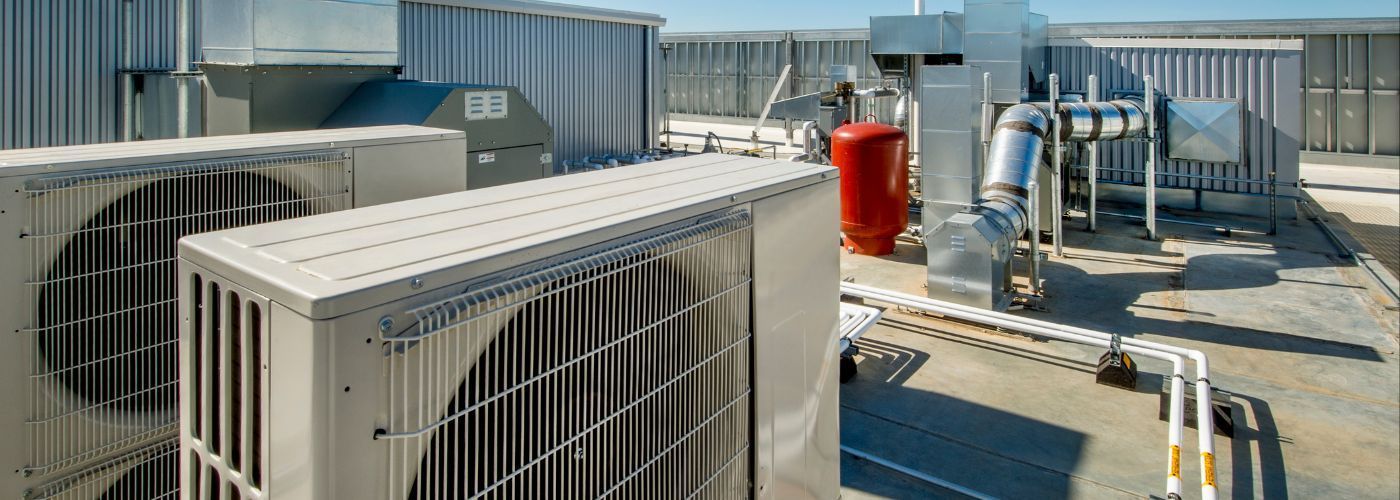
Rooftop units are the most exposed components in any commercial HVAC system and the most commonly neglected for coil cleaning.
RTU condenser coils sit in open air, exposed to everything Denver's summers throw at them: cottonwood, pollen, dust, and, on buildings near food service or manufacturing, grease exhaust. While interior air handler units might need cleaning every three to four years, RTU condenser coils typically need attention one to two times per year.
A blocked or fouled condenser coil can't efficiently reject heat to the outside air. That means your compressor runs at higher pressure and temperature, consuming more energy and accumulating wear. Mid-summer compressor failures, the most expensive HVAC repair a building can face, are disproportionately caused by neglected condenser coils.
What a Free Assessment Actually Tells You
CCER's free 15-minute energy-saving assessment isn't a sales visit. It's a practical evaluation of your coils' current condition before you commit to anything.
During the assessment, a CCER technician visually inspects your coils, evaluates the level of buildup, and calculates the estimated energy and cost savings from cleaning. You walk away with:
- A clear picture of your system's current efficiency
- An estimate of energy savings from cleaning
- A cleaning cost estimate
- A recommendation on timing and priority - no pressure, just information
The average CCER client recovers their cleaning investment in 11 months. For every dollar spent on cleaning, clients recover approximately $4.36 in energy savings. In July and August, when your system is running at max, that return accrues faster than any other time of year.
The Right Time to Act Is Before the Bill Arrives
The most common regret we hear from building managers isn't that they cleaned their coils, it's that they waited until September to do it after paying two months of inflated energy bills.
If your coils haven't been cleaned this year and your system is running hard right now, the most cost-effective thing you can do is find out what you're dealing with before the next billing cycle closes.
Schedule your free 15-minute assessment today. Call (720) 224-3306 or visit hvaccoilclean.com/free-assessment. CCER serves commercial buildings across Denver, Aurora, Colorado Springs, Fort Collins, Greeley, and the entire Front Range.