How Commercial Building Owners Reduce Energy Costs Without Replacing Equipment
It's overworked because the coils have never been properly cleaned.
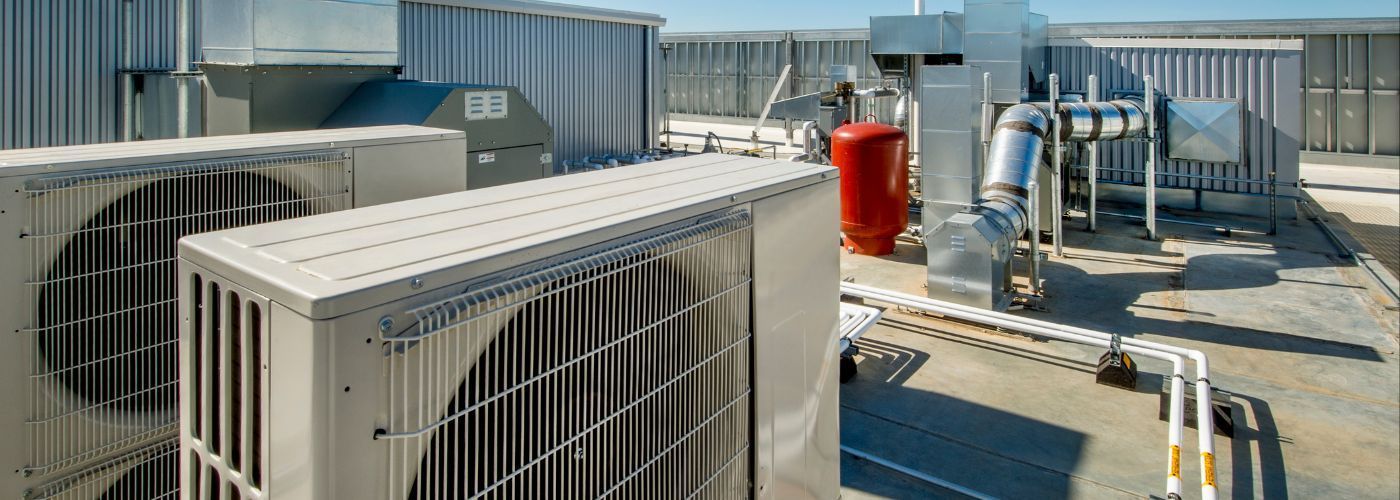
When a commercial building's energy costs start creeping up year over year, the instinct is to look at equipment. The chiller is aging. The rooftop units are getting old. Maybe it's time for a capital project.
Sometimes that instinct is right. But more often than facility managers realize, the problem is not the equipment. It's what's on the equipment. And the fix costs a fraction of what replacement does.
The Capital Trap
Commercial HVAC replacement is one of the most expensive decisions a building owner faces. In 2026, a full system replacement for a standard 50,000-square-foot office building runs between $900,000 and $1,700,000 installed. A large air handler unit alone can cost $150,000 to $500,000 to replace. An emergency compressor failure adds $18,000 to $65,000 in unplanned costs, often with a 16 to 28 week lead time on replacement equipment.
Those numbers are real. But they are frequently avoidable, because most commercial HVAC equipment that appears to be failing is actually failing for one specific, correctable reason: the coils have not been cleaned.
What Dirty Coils Actually Do to Your System
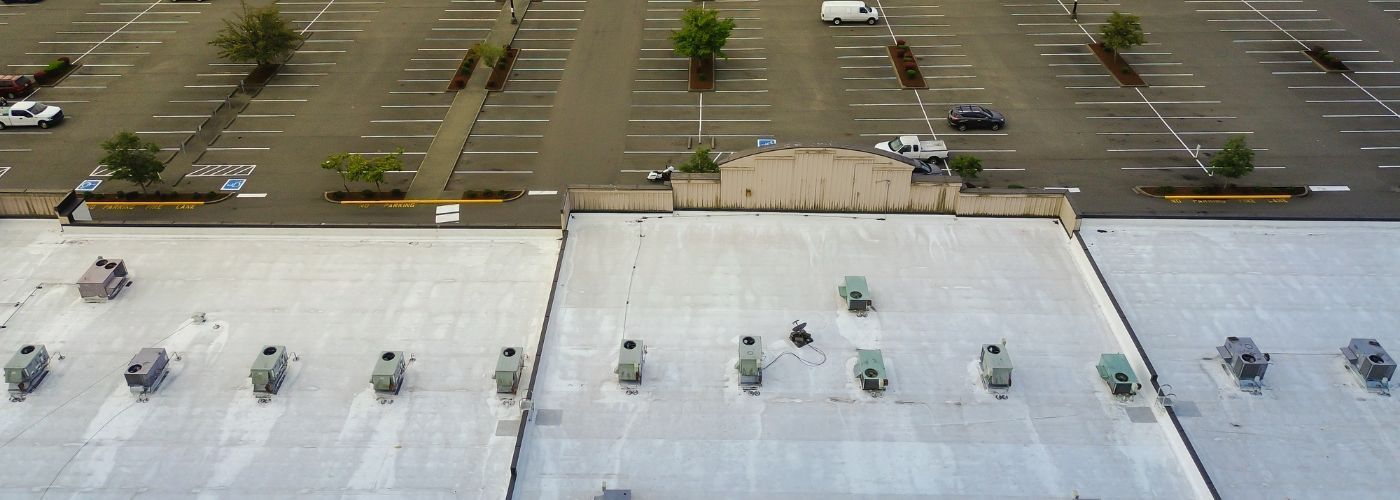
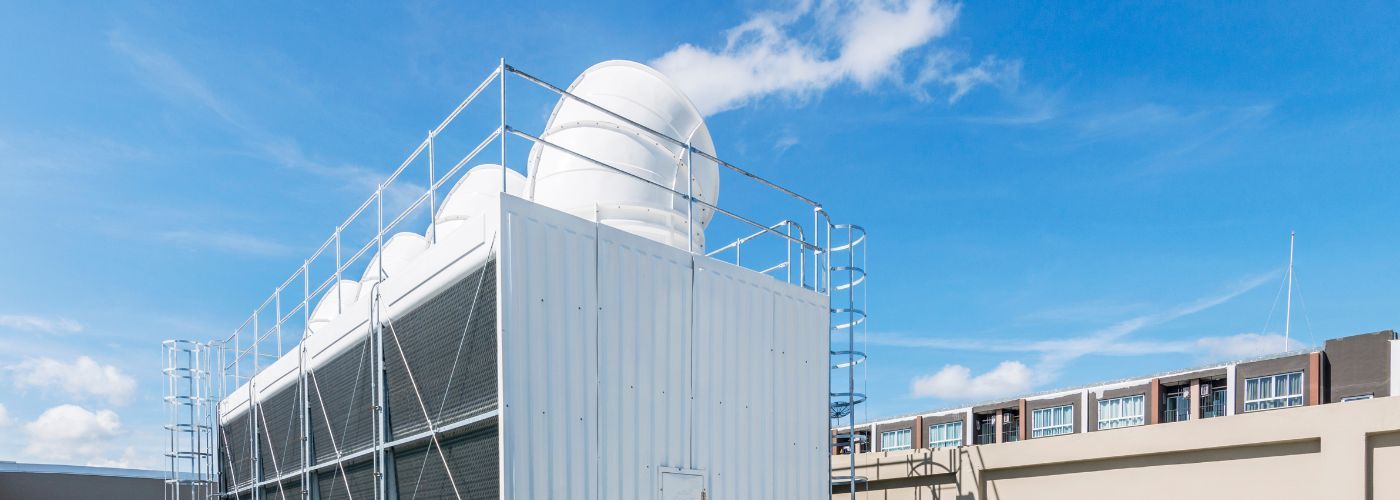
HVAC coils are the heat transfer surfaces at the core of every commercial heating and cooling system. When a layer of dust, grease, hydrocarbon deposits, and biological growth accumulates on those surfaces, heat transfer efficiency drops.
The system compensates by running longer, working harder, and drawing more power.
- 37% more energy is used with dirty coils
- 30% cooling capacity lost to fouling
- 11 mo. average payback period after cleaning
Beyond energy costs, the mechanical strain of running against fouled coils accelerates wear on compressors, motors, and fans. The equipment that appears to be failing often is not at the end of its life. It's being overworked because the coils have never been properly cleaned.
What the Data Shows
Colorado Springs Utilities identifies coil cleaning as the number-one maintenance task, with energy benefits across all HVAC system types. That finding comes from a utility's own documented data, not a cleaning company's marketing materials.
CCER's client results support it. The University of Wyoming reduced total energy consumption from 240 kBTU per square foot per year to 115 kBTU per square foot per year after a full air handler cleaning. That's a 52 percent reduction in total energy use from a single cleaning project.
In another documented case, one CCER cleaning project eliminated 2,054,464 kWh in excess energy use and $143,813 in annual energy costs for a single commercial building.
The Equipment Life Math
Extending the operational life of a commercial HVAC unit by two years does not sound dramatic. But the financial impact is significant. For a building carrying $80,000 in chiller equipment, a two-year lifespan extension represents $160,000 or more in deferred capital replacement cost. For an AHU valued at $300,000, the same extension defers a major capital decision to a future budget cycle, one better positioned to absorb it without emergency procurement premiums of 20 to 35 percent.
Regular coil cleaning is the most effective way to achieve that extension. Cleaned coils reduce mechanical strain on compressors, motors, and fans, letting equipment run within its design parameters rather than fighting fouled heat-transfer surfaces.
The Bottom Line
Before any commercial building owner signs a capital replacement proposal, one question is worth asking: when were the coils last cleaned? If the answer is more than three years ago for an AHU, more than a year ago for an RTU, or unknown for a recently acquired building, the equipment may not need replacing. It may need cleaning. The difference in cost is measured in orders of magnitude.
Schedule a free 15-minute energy assessment with CCER. We inspect your coils, calculate what cleaning would recover, and give you a projected ROI before you commit to anything.
(720) 224-3306 · Serving Denver and the Front Range