The Commercial HVAC Winterization Checklist that Actually Prevents Breakdowns
A practical, numbered winterization checklist for commercial building managers.

Every fall, commercial building managers get some version of the same advice: get your HVAC system ready for winter.
What most checklists leave out is the specifics: which systems, in what order, and why any of it matters for preventing the failures that cost the most.
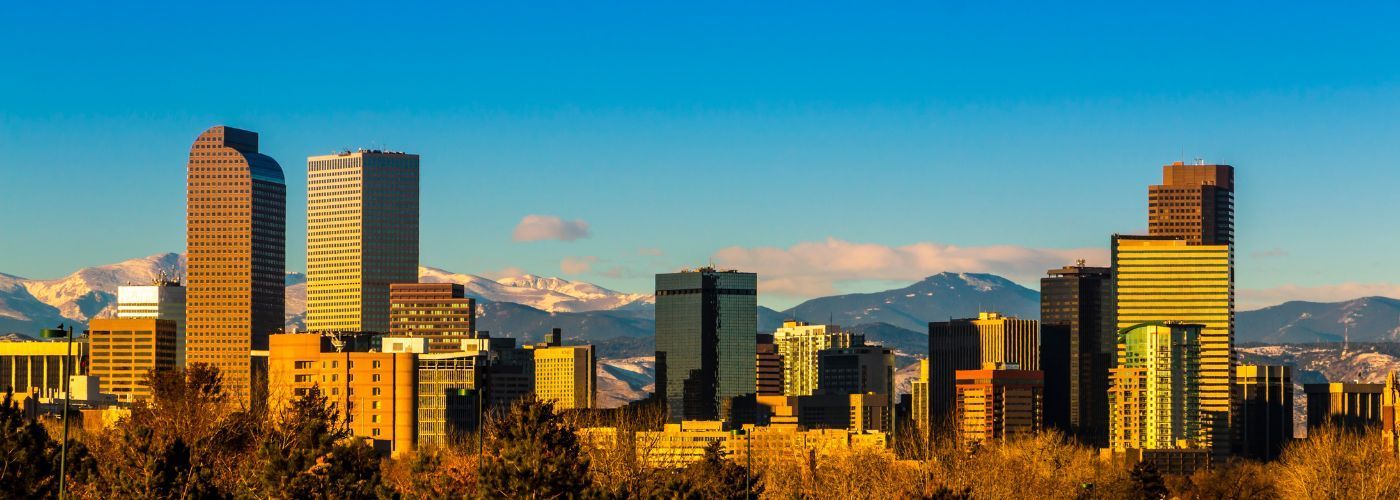
This checklist is built for Denver and the Front Range, where Denver's average first freeze arrives around October 7, and heating demand runs from October through April. Use it as a working document, not a reading exercise.
The Checklist
1. Clean your heating coils and air handler units highest ROI. Heating coils accumulate dust, hydrocarbon deposits, and biological growth just as cooling coils do. A fouled heating coil forces the system to run longer to reach setpoint, adding 20 to 37 percent to the energy cost of every hour of heat output across a six-month season. CCER clients recover an average of $4.36 for every dollar spent on cleaning, with an 11-month payback. This is the single highest-ROI item on this list and the one most consistently deferred. Schedule it before mid-October while contractor calendars still have availability.
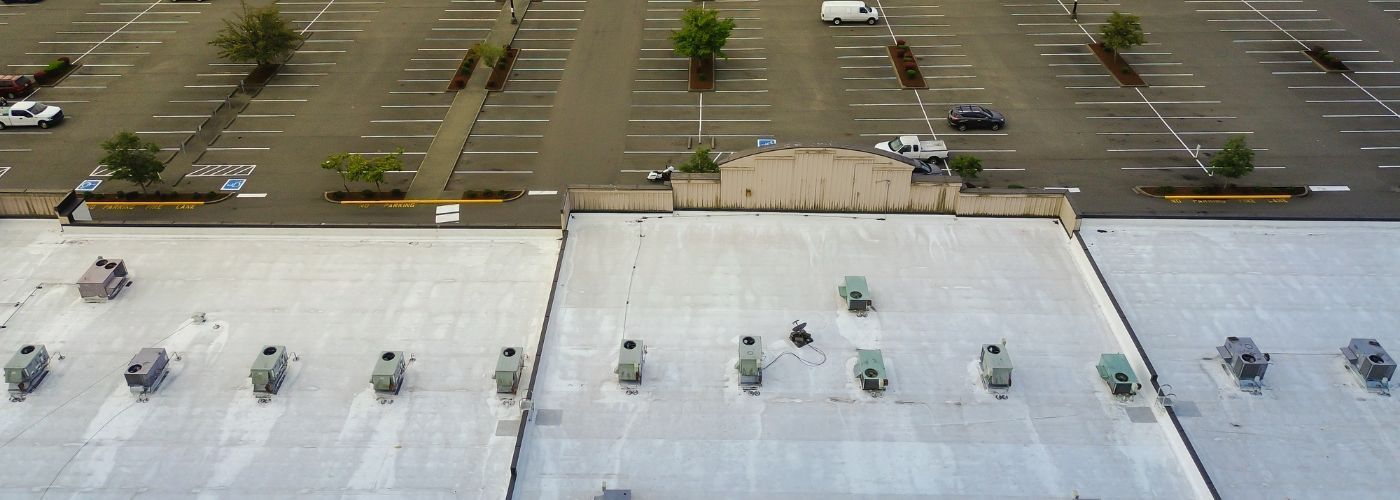
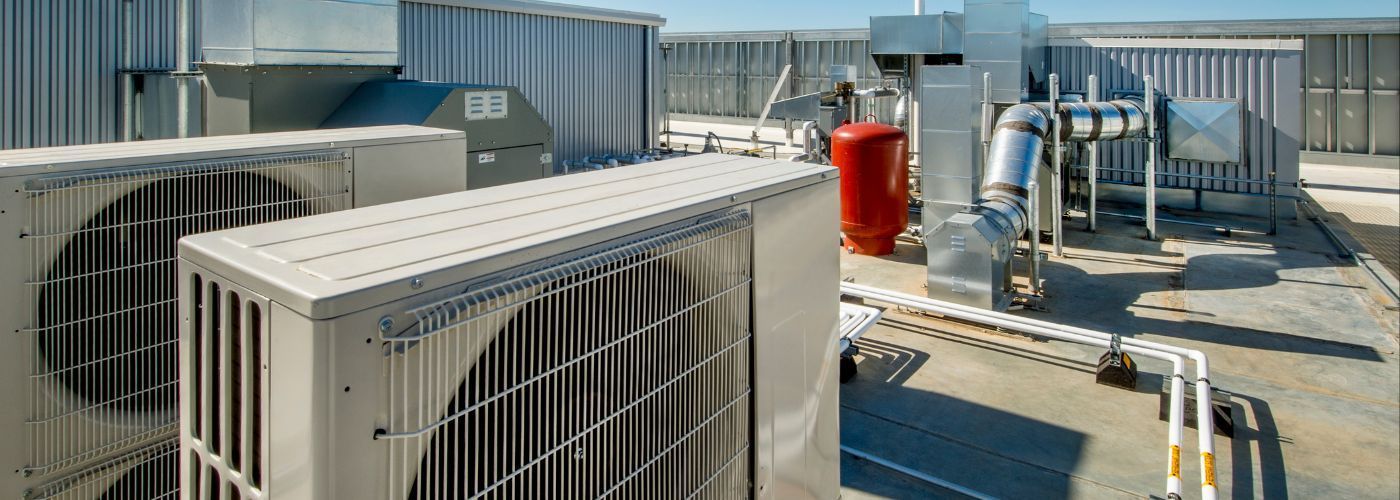
2. Inspect and clean RTU condenser and evaporator coils. Rooftop units finished cooling season carrying two months of cottonwood, pollen, dust, and grease exhaust. RTU coils accumulate buildup faster than interior units because of outdoor exposure and typically need attention one to two times per year. A condenser coil that cannot reject heat efficiently forces your compressor to run at higher pressure and temperature through the heating season, accelerating wear that shows up as failures in January and February.
3. Test and verify heating switchover. Confirm that heating mode engages properly on every air handler, RTU, and zone controller before temperatures drop. Heat exchangers, reversing valves on heat pumps, and ignition components on gas furnaces all need verification before you depend on them. A switchover failure discovered during the first cold snap means emergency service at premium rates, not a scheduled maintenance call.
4. Inspect heat exchangers for cracks and corrosion. Cracked heat exchangers are a carbon monoxide risk in commercial buildings, not just an efficiency issue. October is the right time for a visual inspection before sustained heating demand begins. Any unit showing signs of corrosion, stress fractures, or visible wear should be evaluated by a licensed HVAC technician before it runs at full load all winter.
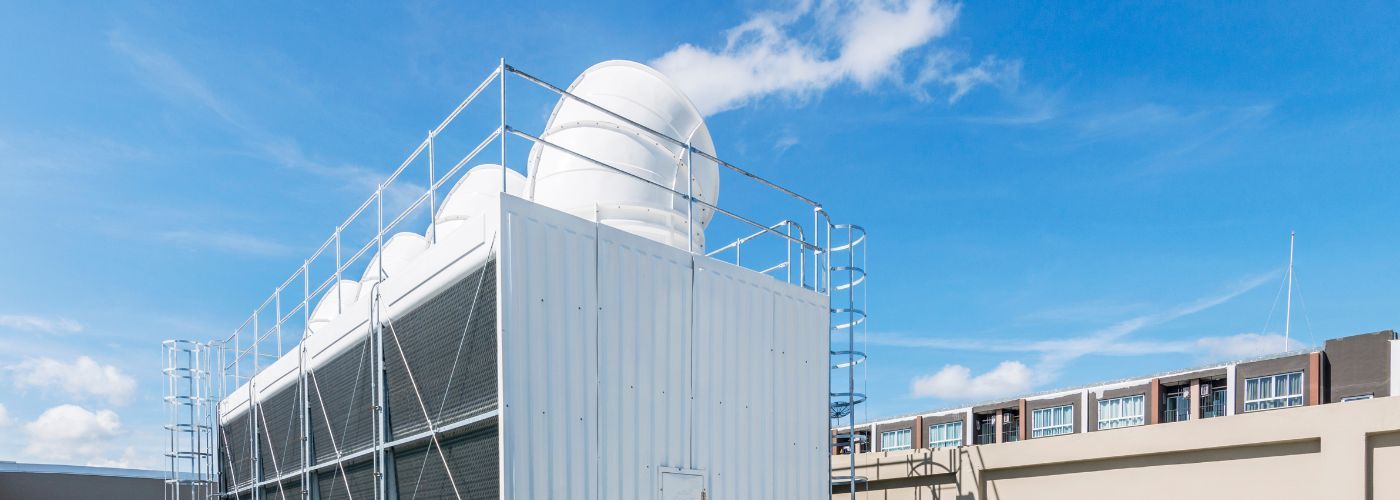
5. Drain and winterize cooling towers. Cooling towers that sit idle through winter with standing water are at risk of freeze damage to basins, fill media, and piping. Drain the basin, clean residual biological growth and scale, and confirm that all water supply lines are properly isolated or heat-traced. If your cooling tower cleaning was deferred from spring or summer, October is the last practical window before winterization.
6. Replace or inspect air filters across all units. Fall allergens, cottonwood debris, and the transition from outdoor air cooling to recirculated indoor air all increase filter loading in October. Filters at the end of their service life entering heating season restrict airflow across the coils you just cleaned, reducing the efficiency gains from that cleaning. Check filter condition on every unit and replace any that are at or near capacity.
7. Calibrate thermostats and building controls. Denver's 40 to 50 degree daily temperature swings mean commercial thermostats and building management systems cycle frequently. Controls that drifted during cooling season may not respond accurately in heating mode, generating comfort complaints and unnecessary energy consumption. Verify setpoints, calibrate sensors, and confirm that occupancy-based scheduling is aligned with actual building use through the fall and winter months.
8. Check condensate drain lines and drainage systems. Condensate drain lines that were active through the cooling season can develop clogs from biological growth and debris. A blocked condensate line in a heating-mode unit can cause water damage to ceilings and walls before it triggers a service call. Clear all drain lines, verify pan drainage, and check that exterior drainage points are not at risk of freeze damage.
9. Document everything. A winterization checklist completed without documentation is a liability, not a maintenance record. Log the date, technician, and findings for every item on this list. If your building has a capital replacement conversation ahead or if you are managing a property you recently took over a clean maintenance record from October 2026 is the foundation of every equipment longevity argument you will need to make through 2027 and beyond.
Where To Start If You Only Do One Thing
If budget or scheduling only allows one item this October, make it item one: heating coil and air handler cleaning. It is the maintenance task Colorado Springs Utilities identifies as having the highest energy benefit of any HVAC service, and the one with the most documented ROI across CCER's commercial client portfolio.
Start with a free 15-minute energy assessment. CCER inspects your coils, calculates what cleaning would recover, and gives you a projected ROI before you commit to anything.
(720) 224-3306 · hvaccoilclean.com/free-assessment · Denver and the Front Range