Spring HVAC Maintenance Checklist for Commercial Buildings in Denver
Don’t Wait Until Summer

As winter fades and temperatures begin to rise across Denver and the Front Range, commercial HVAC systems transition from peak heating demand to cooling preparation mode.
For facility managers and building owners, spring is the most strategic time to perform preventive maintenance, especially HVAC coil cleaning.
A proactive spring HVAC maintenance plan improves energy efficiency, reduces emergency repairs, and extends equipment life before summer strain sets in.
Below is a practical spring HVAC maintenance checklist tailored for commercial buildings in Denver.
1. Inspect and Clean HVAC Coils
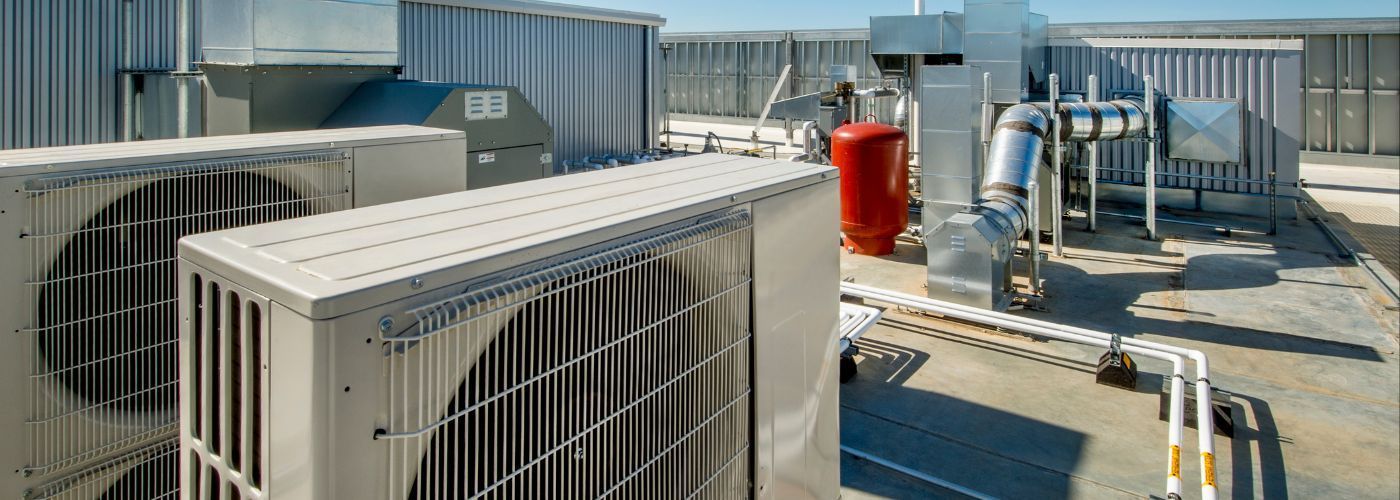
Dirty evaporator and condenser coils are one of the most common causes of inefficiency in commercial HVAC systems.
Over the winter, coils accumulate:
- Dust
- Debris
- Airborne contaminants
- Biological buildup
This buildup restricts heat transfer, forcing your system to work harder and consume more energy.
Why coil cleaning matters in spring:
- Improves heat transfer efficiency
- Lowers energy consumption
- Reduces wear and tear
- Prevents early-season breakdowns
- Helps systems handle peak summer demand
Professional HVAC coil cleaning before the cooling season can
significantly reduce strain during Denver’s hot summer months.
2. Check Airflow and Replace Filters
Restricted airflow increases system pressure and reduces performance.
Spring is the ideal time to:
- Replace or upgrade filters
- Inspect ductwork for obstructions
- Confirm proper airflow balance
Proper airflow supports coil efficiency and overall system performance.
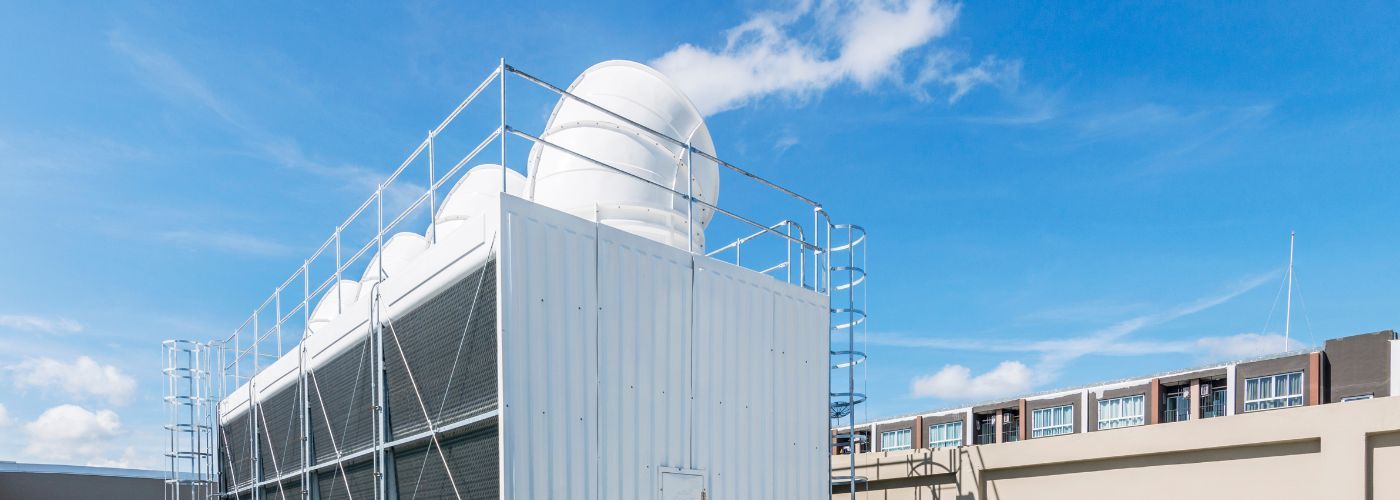
3. Inspect Cooling Towers (If Applicable)
For commercial facilities using cooling towers, spring startup is critical.
Cooling towers should be:
- Cleaned of sediment and biological buildup
- Inspected for scale and corrosion
- Checked for proper water flow and distribution
Cooling tower cleaning improves system efficiency and helps prevent costly mid-season shutdowns.
4. Test System Controls and Thermostats
Seasonal transitions can reveal calibration issues.
Spring testing ensures:
- Thermostats are accurate
- Controls respond properly
- Setpoints are optimized for energy efficiency
Even minor control issues can increase operating costs during peak cooling months.
5. Evaluate Energy Performance Before Summer
Spring maintenance provides an opportunity to assess:
- Current energy consumption
- System performance trends
- Preventive maintenance needs
Addressing inefficiencies now helps avoid emergency maintenance calls when demand is highest.
Why Spring HVAC Maintenance Is Especially Important in Denver
Denver’s climate presents unique challenges:
- Large temperature swings
- Rapid seasonal transitions
- High elevation impacting system load
- Dust and airborne debris accumulation
Commercial HVAC systems in Colorado often experience more stress due to these factors.
Proactive coil cleaning and system maintenance help facilities stay ahead of seasonal strain.
Don’t Wait Until Summer
Many emergency HVAC calls in summer stem from issues that could have been prevented with spring maintenance — especially dirty coils.
If you manage a commercial building in Denver or along the Front Range, scheduling HVAC coil cleaning in March or April helps ensure:
- Reliable cooling performance
- Lower energy costs
- Reduced downtime
- Extended equipment life
Spring is preparation season. Summer is performance season.
Make sure your HVAC system is ready.
Contact Common Cents Energy Recovery