Mid-Winter HVAC Efficiency: How Clean Coils Prevent Breakdowns and Control Energy Costs
One of the most overlooked causes of mid-winter HVAC issues is dirty coils.

By February, most commercial HVAC systems have been running nonstop for months.
Heating demand is high, equipment runtime is extended, and small inefficiencies begin to show up as higher energy bills, uneven temperatures, and unexpected service calls.
One of the most overlooked causes of mid-winter HVAC issues is dirty coils.
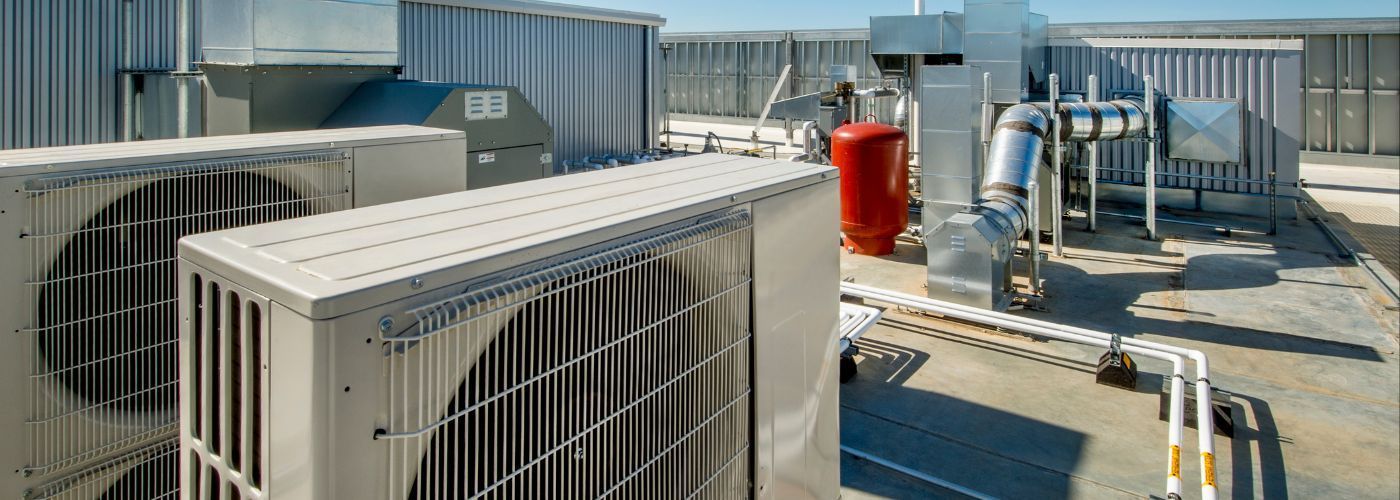
When coils are coated with dust, debris, or buildup, heat transfer efficiency drops. This forces systems to work harder to maintain indoor comfort, increasing energy usage and accelerating wear on critical components.
Clean coils allow heat to move efficiently through the system.
That means faster temperature recovery, reduced runtime, and less strain on motors, fans, and compressors. For large buildings, even modest efficiency improvements can translate into significant monthly savings.
February is an ideal time to address coil cleanliness.
Instead of waiting for a breakdown or pushing maintenance into the spring rush, proactive cleaning now helps stabilize performance for the remainder of winter while extending equipment life.
For facility managers and building owners, this is about control - controlling costs, avoiding emergency maintenance, and keeping occupants comfortable during the coldest part of the year.
Schedule a free HVAC system assessment with Common Cents Energy Recovery to identify efficiency losses and prevent winter-related failures before they happen.
Contact Common Cents Energy Recovery